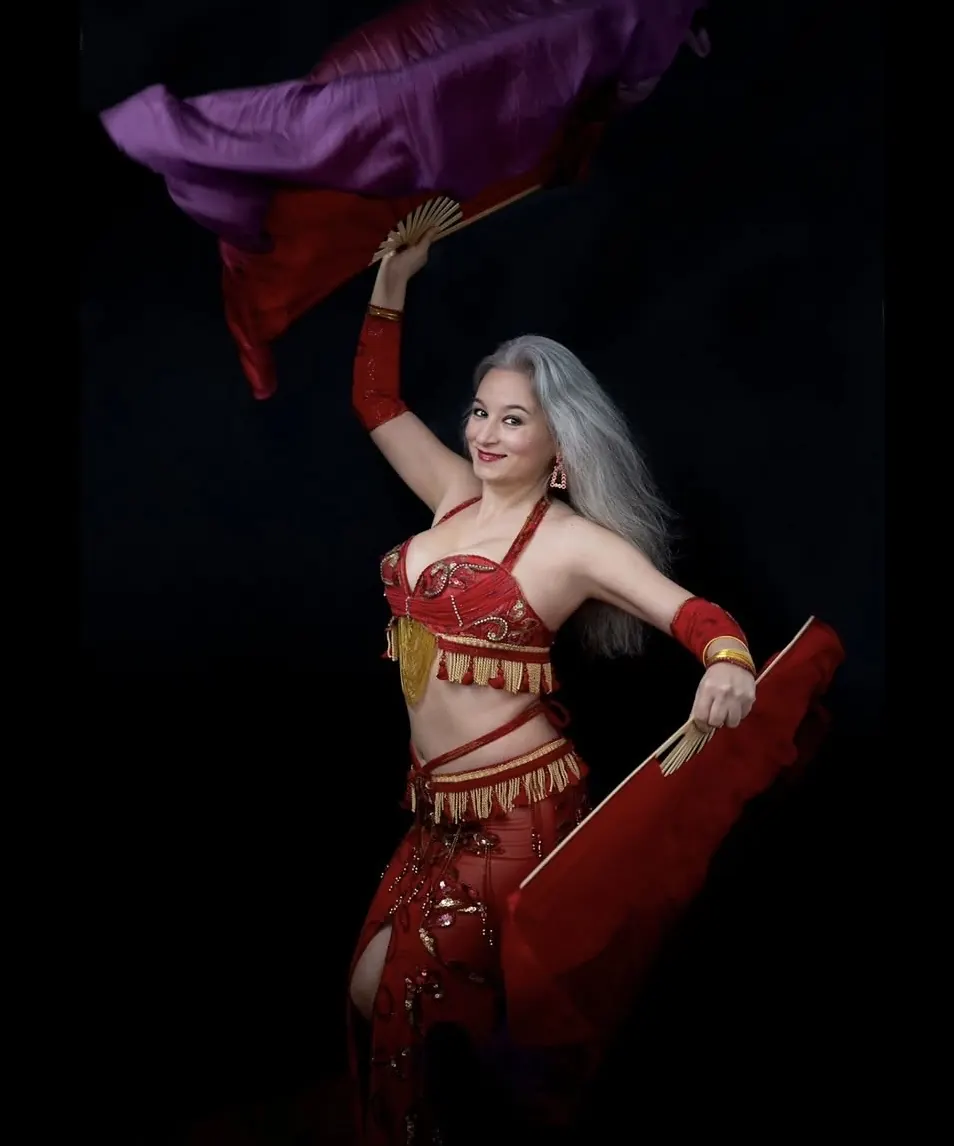

Tomb paintings and carvings depict female dancers swaying to drums and clappers, moving hips and torso in ways recognizable to belly dancers today.
- First estimated dates
- c. 4000 BCE – 500 BCE
- Key locations
- Upper Egypt, especially the Minya Governorate; temple and tomb sites throughout the Nile Valley.
- Context
- Some of the earliest visual evidence of torso-driven dance appears in Egyptian tomb art. These images show celebratory movement at religious festivals and social gatherings, suggesting a long, unbroken lineage for the dance forms that later became known as raqs baladi and raqs sharqi.